
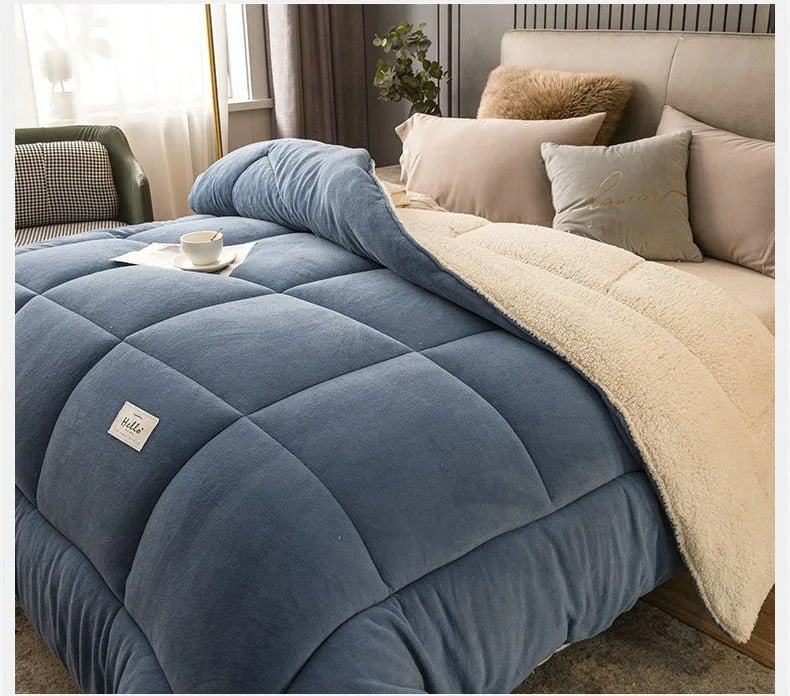
You wake up at 2am needing the bathroom. Your abdomen hurts. The light switch is too far away. Your phone charger doesn't reach the bed. The paracetamol is downstairs. This is not the time to realise you're unprepared.
Post-surgery recovery isn't about having every possible item. It's about having the right things within reach when you can't move normally, think clearly, or ask for help at 3am. This isn't a shopping list. It's a practical guide organised by what you'll actually need during different recovery phases.
Most people underestimate how limited they'll be. You won't be able to drive. Pain medication makes decision-making harder. Simple tasks like getting dressed or reaching the floor become genuine problems. The goal here is to set up your space now so you're not problem-solving while medicated and immobile.
When to Start Shopping (and Why Timing Matters)
Shopping before surgery isn't optional. Once you're home recovering, you can't drive to the chemist. You can't assess whether a grab bar is the right height. You can't think clearly enough to compare shower seats while on pain medication.
Friends and family will offer to help. They mean well. They'll bring flowers and casseroles. What they won't bring is medical tape, stool softeners, or a reacher grabber. These aren't items people think of unless they've been through surgery themselves.
The ideal window is one to two weeks before your procedure. You're still mobile. Your thinking is clear. You can test equipment and return items that don't work. Yes, some things can be delivered after surgery, but you don't want to be troubleshooting online orders when you should be resting.
The week before: when you can still drive and think clearly
This is when you buy bulky items. Shower seats need assembly. Wedge pillows need testing. Grab bars require installation. Do this now while you can still move furniture and climb stepladders.
Test your recovery space. Sit on your bed and try to reach the nightstand. Can you get to the bathroom safely? Is the toilet too low? Walk through a typical day and identify what you'll struggle with. This dry run reveals gaps you won't notice until it's too late.
Pre-wash any new clothing. Stock your pantry with easy meals. Set up your sleeping area with extra pillows. If you're recovering alone, this preparation matters even more. You won't have someone to fetch things you forgot.
What you can't buy after (and what friends always forget)
Some items require in-person assessment. Grab bars need to be the right height for your bathroom. Toilet seat risers must fit your specific toilet. Comfortable clothing needs to be your actual size, not someone's guess.
Well-meaning visitors bring what they think helps. That's rarely wound care supplies, long phone charger cables, or jar openers. These unsexy essentials don't occur to people who haven't recovered from surgery themselves.
This isn't about shaming anyone. It's insider knowledge. Now you know what to buy yourself because no one else will think of it. For more practical home preparation advice, check out our Living Simply Expert Tips For A Happier Home In Australia guide.
Week One Essentials: The First 7 Days at Home

Week one is survival mode. Your mobility is most limited. Pain is highest. The focus is safety, wound care, and basic hygiene. This is when bathroom falls happen. This is when you realise you can't reach the floor or lift your arms overhead.
Proper preparation doesn't make this week easy. It makes it manageable. Organise supplies by room so you're not searching when you're exhausted.
Wound care supplies your hospital won't send home
Hospitals provide minimal take-home supplies. Maybe a few days worth of gauze and tape. That's it. You'll need extras: sterile gauze pads, medical tape, saline solution, waterproof bandage covers for showering.
Wound care needs are unpredictable. Dressings need changing more often than expected. Running out at 10pm on a Sunday creates unnecessary stress. Buy extras. Keep them organised in one place. This isn't medical advice about how to care for your wound. That comes from your surgeon. This is about having supplies ready when you need them.
Bathroom safety gear (grab bars, shower seats, raised toilet seats)
Bathroom falls are the most common post-surgery injury. The floor is slippery. You're weak. Your balance is off. These items aren't suggestions for some surgeries. They're essential.
Grab bars come in two types: suction-mounted for temporary use, or wall-mounted for permanent installation. Bunnings stocks both. Shower chairs work for most people, but transfer benches help if you can't step over the tub edge. Raised toilet seats come with or without arms. Arms help if you're recovering from hip or knee surgery.
Not everyone needs every item. Ask your surgeon about specific mobility restrictions. But if there's any doubt, buy the safety equipment. You can return it if you don't need it. You can't install it after you've already fallen.
Clothing that works with bandages and limited movement
Regular clothing fails during recovery. You can't lift your arms for overhead shirts. You can't bend to put on socks. Tight waistbands irritate abdominal incisions.
Buy button-front shirts, loose elastic-waist pants, slip-on shoes, and front-closure bras. Go one size up for comfort and bandage accommodation. This doesn't require expensive specialty recovery clothing. Kmart and Target stock everything you need. Just think through the movements required to get dressed and buy accordingly.
Weeks Two to Six: Mobility and Independence Items
You're healing but still limited. This phase is about regaining independence. These tools help you do things yourself rather than constantly asking for help.
Recovery timelines vary by surgery type. These are general guidelines. Adjust based on your surgeon's advice. Many surgeries require longer healing than six weeks.
Reaching and gripping tools for daily tasks
Reacher grabbers pick up items from the floor without bending. Sock aids help you put on socks without reaching your feet. Long-handled shoehorns work when you can't bend. Dressing sticks help pull on shirts. Jar openers work when your grip is weak.
These solve real problems. Dropped medication you can't retrieve. Getting dressed without help. Opening containers when your hands are weak from surgery. Buy these before your procedure because they're awkward to describe to someone shopping for you.
These are temporary helpers during healing, not permanent disability aids. Most people stop using them within weeks.
Medication management (pill organisers, reminder systems)
Post-surgery medication schedules are complex. Multiple pills at different times. Pain medication affects memory. You will forget doses.
Buy a weekly pill organiser with multiple daily compartments. Set phone alarms for each dose. Pre-fill the organiser before surgery while you're thinking clearly, or have someone help set up the system. Simple systems work best when you're foggy from medication. Don't overcomplicate this.
Kitchen aids for one-handed or seated cooking
Standing is tiring. Lifting heavy pots is restricted. Two-handed tasks become impossible. An electric kettle eliminates the need to lift a full kettle. Pre-cut vegetables save energy. Microwave meals require minimal preparation. Non-slip mats keep bowls stable. Lightweight dishes are easier to handle. A perching stool lets you sit while cooking.
Meal prep before surgery helps. Stock your freezer with easy-reheat options. Not everyone has someone to cook for them. These solutions work if you're recovering alone.
Comfort and Sleep Setup (Often Overlooked)

Poor sleep delays healing. These items directly impact recovery quality, not just comfort. Many surgeries require specific sleeping positions that normal bedding doesn't support. Rest is when healing happens. This isn't luxury. It's medical necessity.
Wedge pillows and positioning cushions for post-op sleeping positions
Abdominal surgery often requires elevated upper body sleeping. Lower body procedures need leg elevation. Some surgeries restrict side-sleeping entirely. Regular pillows don't provide adequate support.
Foam wedge pillows elevate your upper body at the correct angle. Knee pillows support leg elevation. Body pillows prevent rolling onto restricted sides. Adjustable bed risers lift one end of your mattress if needed.
Test sleeping positions before surgery. Set up your bed with the pillows you think you'll need. Lie down and see what's missing. Adjust now while you can still move freely. You don't need an expensive adjustable bed. Affordable pillow solutions work for most people. For additional comfort options during recovery, explore our Find Calm Comfort With The Serenity Koala™ range.
Entertainment within arm's reach (tablet stands, audiobook subscriptions)
Boredom and isolation worsen recovery mood. Mental health affects physical recovery. Entertainment needs to be accessible without getting up.
Buy adjustable tablet stands for bed use. Get extra-long phone charger cables so your phone reaches from any position. Subscribe to audiobook or podcast services. Download content before surgery. Charge all devices. Position stands where you can reach them.
This isn't frivolous. Lying in bed for days with nothing to do is miserable. Set yourself up for manageable distraction.
What You Already Own (Don't Waste Money)
Shop your own home first. Extra pillows work for positioning. A step stool becomes a bedside table. Kitchen tongs function as reachers. Your bathrobe is easier to wear than regular clothing. A sturdy chair in the shower works instead of buying a shower seat. Rolled towels provide positioning support. Your existing nightstand becomes a supply station when properly organised.
Specialty tools often work better. But improvisation is smart. Don't feel foolish if you've already bought items. Both approaches are valid.
Your Shopping Strategy: Where to Buy and What to Borrow
Order online items now. Schedule in-person shopping for next week. Arrange borrowed items for pickup before your surgery date. This prevents last-minute panic.
Medical supply stores vs. chemists vs. online
Medical supply stores stock bulk wound care supplies and equipment. Chemists work for immediate small items. Online offers better prices but slower delivery.
In Australia, check local medical supply stores for equipment. Chemist Warehouse stocks basic supplies. eBay Australia and Amazon Australia offer competitive pricing on non-urgent items. Buy critical items locally for immediate availability and easy returns. Order non-urgent items online for savings. For more helpful resources and updates, visit our News section.
What to borrow from friends or hire short-term
Shower chairs, crutches, wedge pillows, and raised toilet seats are expensive items used temporarily. Many people have these from previous surgeries and will lend them. Ask around.
Medical supply companies and community health services offer hire options for expensive equipment. Borrowing and hiring are smart recovery planning, not signs you should buy everything new.
Start with what you already own. Buy what you genuinely need. Borrow expensive temporary items. This approach keeps costs reasonable while ensuring you're properly prepared.


Leave a comment
This site is protected by hCaptcha and the hCaptcha Privacy Policy and Terms of Service apply.