

You've watched your mum grip the hallway wall a bit too tightly. Your dad's making excuses about that bruise on his shin. You know something needs to change, but the moment you mention 'safety modifications', you'll trigger the conversation you're both dreading—the one where they insist they're fine and you're treating them like they're incapable.
This isn't about being overprotective. It's about the genuine tension between two bad outcomes: your parent getting seriously hurt, or your parent feeling patronised and losing the independence that matters to them. Both feel unacceptable.
The good news? Changes that actually get accepted and used don't look like safety equipment. They look like thoughtful home improvements. This article will show you how to make modifications that preserve dignity whilst genuinely reducing risk—and how to know when bigger interventions actually make sense.
When 'Just Being Careful' Stops Being Enough

Watch for patterns, not single incidents. Your parent avoiding the upstairs bathroom they used for decades. Choosing the armchair near the wall instead of their favourite spot. Making vague comments about 'not sleeping well' when really they're anxious about navigating the dark hallway at night.
These aren't signs of carelessness. They're adaptations to an environment that's stopped working for them.
Telling someone to 'just be more careful' places blame on the person whilst ignoring the actual problem—the environment itself. A dark stairwell doesn't become safer through willpower. A slippery bathroom floor won't improve because someone's trying harder.
Timing this conversation is difficult because parents often minimise incidents. A fall becomes 'I just lost my balance for a second'. A near-miss on the stairs turns into 'I was rushing, that's all'. They're not lying—they're protecting their independence and your peace of mind simultaneously.
You're looking for changes in behaviour more than admissions of difficulty. When someone who's always been confident starts making excuses to avoid certain rooms or activities, the environment has become the barrier.
The Dignity Test: What Makes a Safety Change Feel Like Care (Not Control)
Before suggesting any modification, ask yourself three questions: Does this preserve their autonomy? Does it respect their privacy? Would a visitor immediately identify this as 'safety equipment'?
This isn't a checklist to tick off. It's a fundamental shift in how you approach the problem. Research on patient dignity shows that autonomy is essential—people felt their choices should be respected, and increased dependence only felt acceptable when it genuinely improved quality of life, not just reduced risk.
Modifications fail when they make parents feel like patients in their own home. The moment a living room starts resembling a hospital ward, psychological resistance kicks in. That resistance isn't stubbornness—it's a rational response to losing control over your own space.
Choice and autonomy in daily routines
Dignity-preserving changes give your parent more options, not fewer. Installing a grab rail near the toilet means they can choose whether to use it. Forcing them to accept help every time they need the bathroom removes that choice entirely.
A shower seat lets them decide whether to sit or stand based on how they're feeling that day. Banning showers and insisting on bed baths removes their agency completely. The difference matters enormously.
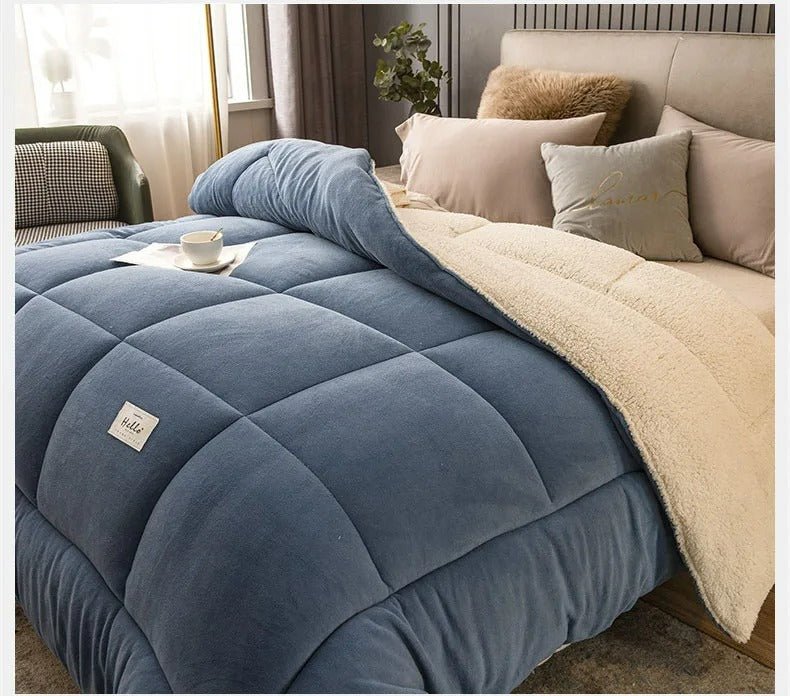
When dependence becomes necessary, it should expand what someone can do, not just prevent what might go wrong. If you're considering our Find Calm Comfort With The Serenity Koala™ or similar supportive products, think about whether they enable activities or simply restrict risk.
Privacy and body dignity
Modifications affecting bathrooms, bedrooms, or dressing areas require extra sensitivity. Body privacy directly links to dignity, and research consistently shows that dependence with intimate care often felt undignifying, with privacy concerns central to how people experienced their own dignity.
A discreet toilet frame that blends with the bathroom is vastly different from suggesting they leave the door open 'just in case'. One preserves privacy whilst adding support. The other eliminates privacy in the name of safety.
Don't minimise embarrassment or suggest they 'shouldn't feel that way'. Privacy around bodily functions isn't vanity—it's fundamental to how most people maintain their sense of self.
The 'does this look like a hospital?' visual test
Institutional-looking equipment triggers psychological resistance because it signals 'patient' status. Studies on medical equipment design note that cold metal surfaces and clinical appearance contribute to anxiety and feelings of indignity.
Before installing anything, ask: would a visitor notice this modification immediately, or does it blend with normal home design? A wooden handrail that matches the hallway trim reads as thoughtful design. A chrome hospital rail screams 'medical intervention'.
Appearance affects acceptance and actual use. Equipment that looks medical often goes unused, not because it's unnecessary, but because using it feels like admitting defeat.
Subtle Safety Changes That Preserve Independence

These modifications work because they enhance existing abilities rather than highlighting limitations. Your parent might not even register them as 'safety equipment'—they're just improvements that make the house work better.
Each suggestion here includes both the safety benefit and how to make it look intentional rather than medical. These aren't compromises. They're genuinely better design that happens to reduce risk.
Lighting upgrades that prevent falls without looking clinical
Improved lighting prevents falls by eliminating shadows and depth perception issues, particularly on stairs and in hallways. But harsh fluorescent strips will trigger resistance immediately.
Motion-sensor night lights in warm tones look like design choices, not safety equipment. Place them at floor level along hallways so they activate automatically—no switches to remember, no fumbling in the dark.
Under-cabinet lighting in the kitchen serves double duty: it improves visibility for food preparation whilst eliminating the shadows that make depth perception difficult. Increasing wattage in existing fixtures costs almost nothing and makes an immediate difference.
The key is making light available without requiring action. Automatic activation removes the barrier of having to remember or reach for switches.
Furniture swaps that add stability without screaming 'mobility aid'
Strategic furniture placement provides natural support points without looking like grab rails. Replace low, soft sofas with higher, firmer seating that has arms. Add a hall table at the right height for steadying when moving between rooms.
Remove furniture with wheels or lightweight pieces that could slide if leaned on. A decorative console table that's properly secured provides support whilst looking entirely intentional.
Don't clear out all furniture to create empty pathways. Strategic placement is better than empty rooms—people need support points, not obstacle courses or barren spaces that offer nothing to steady themselves against.
Bathroom tweaks that work invisibly
Bathrooms are high-risk but also where parents most resist visible modifications due to privacy concerns. Start with changes that don't announce themselves.
Non-slip mats that look decorative rather than medical. Replacing taps with lever handles that are easier to grip. Adding a handheld shower head on an adjustable rail—it looks like a luxury upgrade, not a mobility aid.
A shower seat that resembles bathroom furniture rather than medical equipment makes an enormous difference. Alternatively, a corner shelf at sitting height provides an option without forcing a decision.
Save grab rails for when subtler options aren't enough. They're sometimes necessary, but they shouldn't be your first move.
When Major Modifications Actually Make Sense
Subtle changes have limits. Sometimes bigger interventions genuinely improve both safety and quality of life. The shift in thinking: major modifications make sense when they restore abilities, not just prevent falls.
Research shows dependence felt acceptable when it improved quality of life, not merely reduced risk. A stairlift isn't a failure—it's an appropriate response when stairs have become a barrier to living fully.
The mobility threshold: when walking becomes genuinely unsafe
Multiple falls, inability to rise from chairs without assistance, avoiding entire areas of the home—these indicate major modifications are needed. The mobility threshold is when energy spent on basic movement prevents other activities they value.
If getting to the bathroom exhausts your parent so much they stop socialising or pursuing hobbies, a stairlift or bedroom relocation makes sense. The modification isn't about preventing falls—it's about preserving the life they want to live.
Don't suggest major modifications based on age alone. Base it on actual functional changes and what those changes are costing them in terms of quality of life.
Making institutional equipment feel less institutional
Even necessary medical equipment can be chosen and installed with dignity in mind. Human factors engineering emphasises that equipment should adapt to human needs with intuitive use and appropriate aesthetics.
Choose equipment in home-appropriate colours. Add decorative covers where possible. Position items to blend with existing furniture rather than dominating the space.
'Medical-looking' isn't inevitable. Many options now exist that prioritise both function and appearance. For more ideas on creating comfortable, supportive home environments, explore our Living Simply Expert Tips For A Happier Home In Australia.
Involving your parent in modification decisions
Involvement in decisions preserves autonomy even when accepting help. It's the difference between care and control. Research confirms that respectful communication and choice preservation were crucial for maintaining dignity.
Present options rather than solutions: 'Would you prefer a shower seat here or a rail there?' not 'We're installing this on Tuesday'. Even when the need for modification is clear, how it's implemented matters enormously.
Don't make decisions and present them as done deals, even with good intentions. That approach guarantees resistance and undermines the trust you're trying to preserve.
Start Small, Watch What Actually Gets Used
Begin with one or two subtle changes and observe whether your parent actually uses them before adding more. Unused modifications signal either poor placement or that your parent doesn't feel they need that particular support yet.
Have a follow-up conversation: 'I noticed you're using the new hall light—would something similar in the bedroom help?' This approach respects their experience and builds trust.
Getting this right is a process of adjustment, not a one-time fix. What works today might need refinement tomorrow. What feels unnecessary now might become essential in six months. Stay flexible, stay observant, and prioritise what actually improves their daily life over what theoretically reduces risk.


Leave a comment
This site is protected by hCaptcha and the hCaptcha Privacy Policy and Terms of Service apply.