
Dust has a way of appearing the moment you finish cleaning.
You wipe the shelves, vacuum the floors, clean the furniture and feel like you've finally got everything under control. Then a few days later, there's a fresh layer of dust sitting on your blinds, skirting boards and furniture as if you never cleaned them at all.
The reality is that keeping your home completely dust-free isn't realistic. Dust is made up of all sorts of tiny particles, including fibres, dirt, pollen, skin cells and particles brought in from outside.
But you can reduce how much dust builds up and make cleaning your home much easier.
The key is to stop focusing only on the obvious surfaces and start paying attention to the places where dust tends to collect and the tools you're using to remove it.
From ceiling fans and blinds to skirting boards and those awkward corners that are almost impossible to reach, here's how to keep your home cleaner and reduce dust without spending your entire weekend cleaning.
1. Start From the Top and Work Down
One of the simplest cleaning rules is also one of the most useful:
Clean from top to bottom.
Why?
Because when you dust or clean a higher surface, some of that dust will inevitably fall.
If you vacuum the floor first and then dust your shelves, you're likely going to have to vacuum again.
Instead, work your way down.
Start with:
- Ceiling fans
- Light fittings
- High shelves
- Blinds
- Furniture
- Skirting boards
- Floors
This approach means the dust you remove from higher surfaces eventually ends up on the floor, where you can vacuum it away at the end.
It sounds obvious, but following the same order every time can make your cleaning routine much more efficient.
2. Don't Forget Your Ceiling Fans
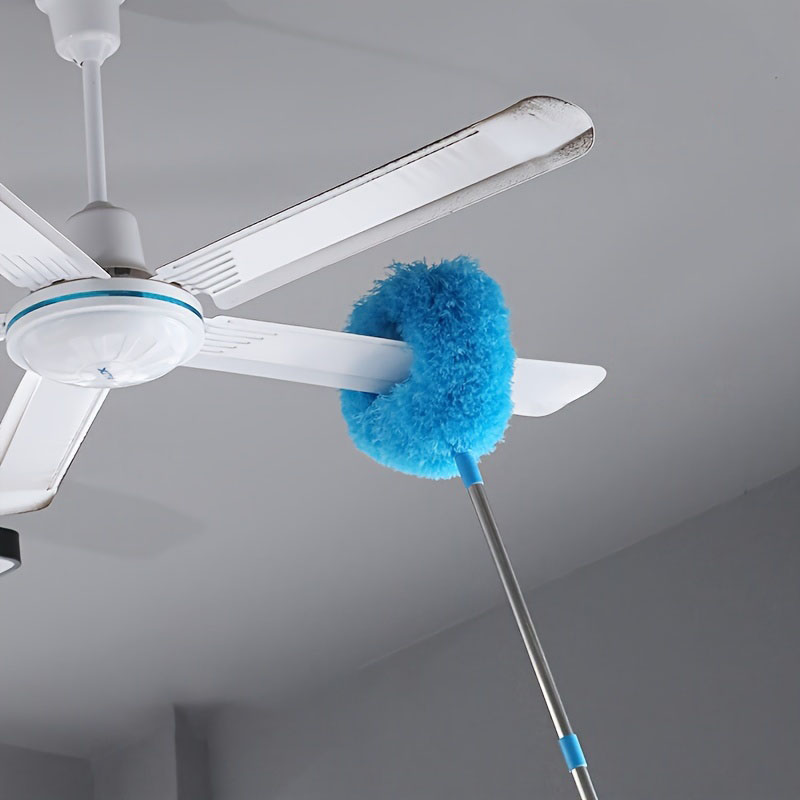
Ceiling fans are one of the biggest dust traps in the home.
They're also one of the easiest to forget.
Because they're above eye level, you might not notice how much dust has accumulated until you switch the fan on and see particles moving around the room.
Worse, traditional dusting can send that dust straight onto your furniture and floors.
That's where a dedicated tool can make a difference.
The ProDust Ceiling Fan Cleaner is designed to help clean ceiling fan blades without requiring you to reach awkwardly or manually wipe each blade with a cloth.
Simplify Australia has previously highlighted the product specifically for tackling dusty ceiling fans and reducing the mess that can come with cleaning them. (simplify-australia.com.au)
Try to include ceiling fans in your regular cleaning routine rather than waiting until they're visibly dusty.
How often you need to clean them will depend on your home, but checking them every couple of weeks can help prevent a heavy build-up.
Quick tip: Always turn the fan off before cleaning it and make sure it has completely stopped moving.
3. Give Your Blinds Some Attention
Blinds can collect a surprising amount of dust.
Every individual slat creates another surface where dust can settle, which means a quick wipe over the front isn't always enough.
Depending on the type of blinds you have, you can use a microfibre cloth or a dedicated blind-cleaning tool to work across multiple surfaces at once.
The DustPro Blind Cleaner is designed specifically for cleaning blinds and reaching those smaller surfaces that can be tedious to clean individually.
Instead of treating blinds as a once-a-year cleaning job, add them to your regular dusting rotation.
You don't necessarily need to deep clean every blind every week.
A quick clean every few weeks can help stop dust from accumulating into a thicker layer that takes much longer to remove.
4. Don't Let Dust Build Up on Skirting Boards
Skirting boards are another area that's easy to overlook.
They're low down, often hidden behind furniture and don't necessarily look dirty from across the room.
But run your finger along one and you might get a very different story.
Because they're close to the floor, skirting boards can collect dust, hair and dirt.
A long-handled cleaning tool can make this job easier because you don't have to constantly bend down or crawl around the floor.
The ProEdge Skirting Board Cleaner can be used to tackle these easily forgotten areas and help make skirting boards part of your normal cleaning routine.
If you're already vacuuming the floor, take an extra minute to run your cleaning tool along the skirting boards too.
It can make a noticeable difference to the overall appearance of a room.
5. Pay Attention to Corners and Hard-to-Reach Areas
Dust doesn't just settle on flat surfaces.
It collects in corners, behind furniture, under cabinets and in other awkward spaces that are difficult to reach with a standard mop or cloth.
These areas are often where cleaning becomes frustrating.
You know they need attention, but getting to them feels like a job in itself.
This is where tools designed for hard-to-reach areas can help.
A PowerEdge Corner Mop is designed to help clean corners and other difficult areas that traditional cleaning tools may struggle to reach.
Think about the places you usually skip during a quick clean.
Behind doors.
Along edges.
Under furniture.
Around corners.
Those forgotten areas can contribute to the overall dusty feeling in a room.
6. Vacuum Regularly — But Don't Stop at the Floor
Vacuuming is one of the most effective ways to remove dust, dirt and debris from your home.
But there's more to vacuuming than running the machine across the middle of the floor.
Pay attention to:
- Along skirting boards
- Under furniture
- Behind doors
- Around sofa edges
- Under beds
- In corners
- Around entryways
If possible, move smaller pieces of furniture occasionally so you can clean underneath them.
You don't need to completely rearrange your house every week.
Instead, build deeper cleaning into your routine so that those hidden areas don't become permanent dust storage.
7. Wash Bedding Regularly
Your bedroom can be a significant source of dust and fibres.
Bedding, blankets, cushions and mattresses naturally collect particles over time.
Wash sheets and pillowcases regularly and don't forget to clean blankets, throws and other washable bedding according to their care instructions.
It's also a good idea to vacuum your mattress occasionally.
You don't need to turn your bedroom into a laboratory.
The goal is simply to prevent dust and fibres from continuously accumulating in one of the rooms where you spend a significant amount of time.
8. Declutter Surfaces Where Possible
The more items you have sitting on open surfaces, the more things there are to dust.
A shelf covered in decorative objects might look beautiful, but cleaning around 20 individual items is obviously going to take longer than wiping one clear shelf.
This doesn't mean you need to get rid of everything.
Instead, think about which items you actually want on display and which could be stored away.
Try keeping frequently used surfaces relatively clear.
This makes your home easier to clean and means you can quickly wipe surfaces without having to move lots of objects first.
A five-minute dusting job can easily become a 30-minute rearranging session if every surface is cluttered.
9. Keep Doors and Windows Clean
Dust can also enter your home from outside.
If you regularly keep windows open, outdoor particles can make their way indoors.
That doesn't mean you should keep all your windows closed.
Fresh air is important, and ventilation is a normal part of keeping your home comfortable.
Instead, pay attention to window sills, screens, tracks and doorways.
These areas can collect dirt and dust that eventually gets carried further into the house.
Give them a quick clean as part of your regular routine rather than waiting until the build-up becomes obvious.
10. Use the Right Cleaning Tools
One of the biggest differences between an exhausting cleaning routine and a manageable one can simply be having the right tools.
A standard cloth is useful for many surfaces, but it isn't necessarily the best solution for every job.
Ceiling fans require reach.
Blinds have multiple narrow surfaces.
Skirting boards are low and awkward.
Corners can be difficult to access.
Using tools designed specifically for these jobs can make cleaning quicker and less frustrating.
That's where Simplify Australia's home cleaning range can be particularly useful.
Products such as the ProDust Ceiling Fan Cleaner, DustPro Blind Cleaner, ProEdge Skirting Board Cleaner and PowerEdge Corner Mop are designed around everyday cleaning problems rather than simply being another generic cleaning product. (simplify-australia.com.au)
Create a Simple Weekly Dusting Routine
You don't need to spend hours every day cleaning.
A simple routine can help keep dust under control without turning your weekend into a cleaning marathon.
Daily
Focus on the obvious areas:
- Wipe kitchen surfaces
- Clean up spills
- Put clutter away
- Sweep or vacuum high-traffic areas when needed
Weekly
Give more attention to:
- Floors
- Furniture
- Shelves
- Skirting boards
- Bedding
- Bathroom surfaces
Every few weeks
Don't forget the easily overlooked areas:
- Ceiling fans
- Blinds
- Window tracks
- Behind furniture
- Corners
- Hard-to-reach areas
Every few months
Consider a deeper clean of:
- Curtains
- Mattresses
- Upholstery
- Air vents
- Light fittings
- Areas behind large appliances
You don't need to tackle everything in one day.
Breaking the jobs into smaller routines makes the whole process much more manageable.
How to Dust Without Making a Bigger Mess
One of the biggest frustrations with dusting is watching dust simply move from one surface to another.
A few simple habits can help.
Use the right cloth
Microfibre cloths are useful for capturing dust rather than simply pushing it around.
Don't shake dusty items indoors
If you're cleaning a dusty mat, cushion or other removable item, think carefully about where you're doing it.
Shaking dust inside your home can simply redistribute it.
Work from high to low
As mentioned earlier, this is one of the most useful rules to remember.
Vacuum after dusting
If dust falls onto the floor during cleaning, vacuum it up afterwards.
Don't forget your cleaning tools
A dirty duster or mop can simply spread dirt around.
Clean reusable cleaning tools regularly according to their care instructions.
What About Pet Hair?
If you have pets, you'll probably notice that dust isn't the only thing collecting around your home.
Pet hair can quickly build up on floors, furniture and soft furnishings.
Regular vacuuming helps, but it's also worth paying attention to the areas where your pet spends the most time.
Washable covers and mats can make those areas easier to maintain.
Simplify's pet range includes practical products designed to make everyday pet ownership easier, which can complement a regular home-cleaning routine.
The important thing is to focus on consistent maintenance rather than occasional massive cleaning sessions.
A Quick Dust-Free Home Checklist
Before you finish cleaning, take a quick look around and ask:
- Have I cleaned above eye level?
- Did I check the ceiling fans?
- Have I dusted my blinds?
- Did I clean the skirting boards?
- Have I vacuumed corners and hard-to-reach areas?
- Did I move anything that usually stays in place?
- Are my bedding and soft furnishings clean?
- Have I cleared unnecessary clutter?
- Did I clean window sills and entryways?
- Are my cleaning tools clean and ready for next time?
If you're regularly ticking most of these off, you're already doing a lot to keep dust under control.
Make Cleaning Your Home Easier
A completely dust-free home probably isn't realistic — especially if you have pets, children, open windows or simply live in the real world.
But a home that feels noticeably cleaner and easier to maintain? Absolutely.
The secret is consistency.
Instead of waiting until dust has built up everywhere, tackle smaller areas regularly and use tools that make awkward jobs easier.
From ceiling fans and blinds to skirting boards and corners, Simplify Australia's range of practical home products is designed to make those everyday cleaning jobs a little less frustrating.
Explore products such as the ProDust Ceiling Fan Cleaner, DustPro Blind Cleaner, ProEdge Skirting Board Cleaner and PowerEdge Corner Mop to make those easily forgotten cleaning jobs easier to tackle.
A cleaner home doesn't have to mean spending all weekend cleaning. Sometimes, it just means having the right tools for the jobs you've been avoiding.
Frequently Asked Questions
How can I reduce dust in my home?
Regularly dusting surfaces, vacuuming floors and furniture, washing bedding, cleaning blinds and ceiling fans, and keeping clutter under control can all help reduce dust build-up.
What is the best way to clean ceiling fans?
Use a suitable ceiling fan cleaning tool that allows you to capture dust from the blades rather than simply knocking it onto your furniture and floors. Always turn the fan off before cleaning.
How often should you dust your house?
High-use areas may benefit from weekly dusting, while less frequently used areas can generally be cleaned less often. Ceiling fans, blinds and other dust-prone areas should be checked regularly.
How do I stop dust from building up on blinds?
Regular light cleaning can prevent dust from becoming heavily embedded. A dedicated blind-cleaning tool can make it easier to clean across multiple blind slats.
What areas of the house collect the most dust?
Common dust-collecting areas include shelves, furniture, blinds, ceiling fans, skirting boards, corners, under furniture and window tracks.
Is it better to dust or vacuum first?
Generally, dust first and vacuum afterwards. This allows any dust that falls onto the floor during cleaning to be removed at the end.
How do I clean hard-to-reach areas?
Long-handled cleaning tools and products designed for corners, edges and high surfaces can make difficult areas much easier to reach without constantly bending, stretching or moving furniture.

Leave a comment
This site is protected by hCaptcha and the hCaptcha Privacy Policy and Terms of Service apply.